Stuck at home with a dead battery before a work shift on Highway 280? You’re not alone. Battery issues and flat tires make up roughly 40% of roadside headaches, and in Birmingham, where summer pavement temps can exceed 120°F, batteries can fade fast. At the same time, many brick‑and‑mortar shops are booked days out, and towing can add $100–$150 to an already frustrating day. Mechanics that come to you cut out the shuffle—no line, no lobby, no tow—just a trained tech arriving with tools and parts where your car actually sits.
This matters because time is valuable and unexpected car trouble rarely lines up with your schedule. Whether you commute on I‑65, shuttle kids to ball practice in Hoover, or park at an apartment complex in Five Points South, having service onsite can be the difference between salvaging a day and being stranded. Expect a clear explanation of how mobile auto service works in Birmingham, what’s realistically repairable curbside, what it costs, how to prepare, and how to choose the right technician for your situation.
Comprehensive Overview
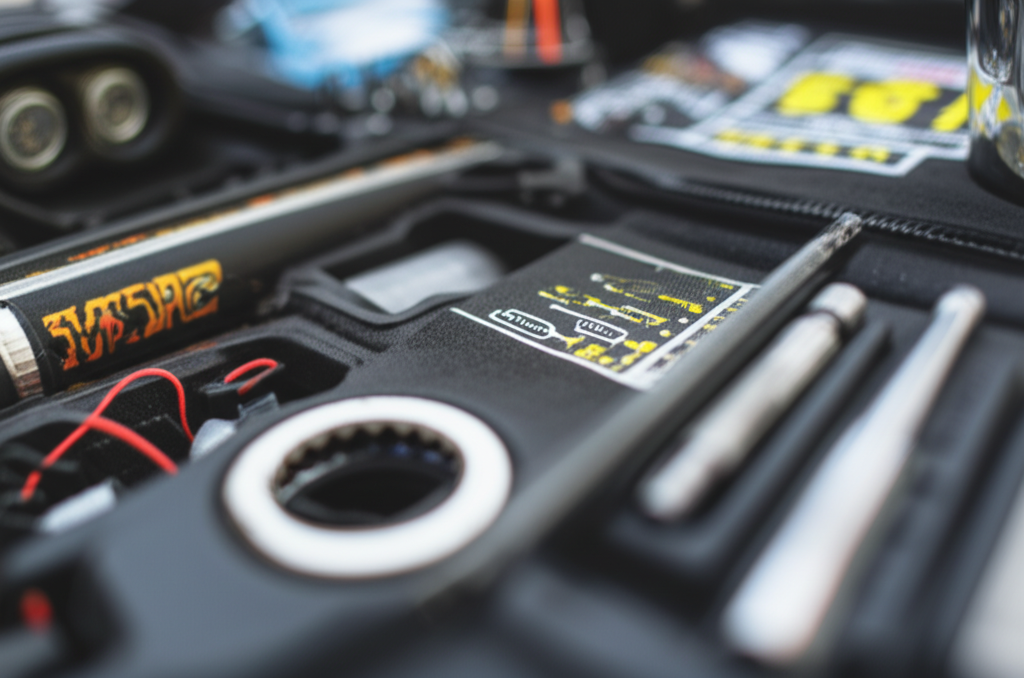
“Mechanics that come to you” are professional automotive technicians who perform diagnostics and repairs at your driveway, workplace lot, or roadside. Think of it as a rolling service bay: OBD-II scanners, impact tools, jack stands, fluid extractors, and a stocked van or truck. The goal is to deliver shop‑quality service without moving the vehicle. Common mobile jobs include battery replacement, starter/alternator swaps, belts, hoses, brakes, rotors, fluids, filters, sensors, coils, and many suspension components. Most mobile mechanics can also perform deep diagnostics, including advanced scan data, misfire analysis, and charging system tests.
While mobile service has existed for decades, smartphone scheduling, portable diagnostics, and parts delivery networks have turned it into a practical mainstream solution. The timing is no coincidence. The average vehicle age in the U.S. now sits around 12.6 years, with many Birmingham drivers well past factory warranty and trying to keep reliable transportation without losing a day to the shop. Tech shortages have also pushed traditional shops to longer lead times—three to seven days isn’t uncommon—so mobile fills the same‑day or next‑day gap for non-lift jobs.
Local context matters. Birmingham’s heat and humidity shorten battery life to roughly 3–5 years, and commute corridors like I‑20/59 and I‑65 don’t forgive breakdown delays. Apartment dwellers, hospital staff near UAB, and office workers at The Summit benefit from onsite service where towing logistics are tough. That said, there are limits. Heavy engine or transmission work generally requires a lift. Some jobs on Euro vehicles or late‑model trucks may demand specialty tooling a smaller van may not carry. Professional mobile mechanics know where to draw the line; they’ll diagnose curbside and, if needed, coordinate shop work to avoid guesswork.

Key Concepts & Fundamentals
Scope of Work
Mobile mechanics handle the majority of bolt‑on and diagnostic tasks: batteries (15–30 minutes), starters (1.5–3 hours), alternators (1–2 hours), brake pads/rotors per axle (1.5–2.5 hours), spark plugs and ignition coils (1–2 hours, longer on transverse V6s), coolant hoses and thermostats (1–2 hours), and oil changes (30–45 minutes). Anything requiring a lift or engine hoist—transmissions, internal engine rebuilds, complex timing chains on some models—usually goes to a shop after a curbside evaluation.
Pricing Structure
Expect three components: a call‑out or mobile service fee ($25–$75), a diagnostic fee ($75–$150 for scan, testing, and a written estimate), and labor ($90–$140 per hour in the Birmingham area). Parts are billed at retail with a markup typically in the 10–30% range to cover sourcing and warranty handling. After‑hours or weekend surcharges can run 20–40%. Clear, line‑item estimates protect both parties and help you compare apples to apples.
Warranty & Accountability
Reputable mobile mechanics offer written warranties, often 12 months/12,000 miles on parts and labor for standard repairs. Some items, like customer-supplied parts, may carry limited or no coverage because the mechanic can’t control quality. Ask for the warranty terms in writing and keep digital copies of your work orders. Good recordkeeping helps with future diagnosis and resale value.
Site & Safety Requirements
A flat, well‑lit space with at least 3–4 feet clearance around the vehicle is ideal. Mobile technicians need to safely set jack stands, open doors and hoods, and lay out tools. Work on active roadways isn’t permitted; apartment complexes and HOAs may require a heads‑up to management. Weather matters—severe rain, lightning, or extreme heat can delay certain tasks for safety. Professionals carry spill kits and follow fluid disposal rules; don’t be shy about asking how used oil and coolant are handled.
Parts Quality & Fit
OEM or OE‑equivalent parts generally provide the best fit and longevity. In Alabama’s heat, choose batteries with adequate cold‑cranking amps (CCA) and reserve capacity: midsize sedans typically 550–700 CCA, trucks and SUVs 700–850 CCA. For brakes, avoid ultra‑cheap pads that fade in summer mountain runs toward Mt Laurel or Oak Mountain; quality ceramic or semi‑metallic pads matched to your driving profile will stop better and last longer.
Diagnostics ≠ Code Reading
An OBD-II code points to a system, not a guaranteed failed part. For example, a P0420 (catalyst efficiency) may stem from upstream sensor drift, exhaust leaks, or genuine cat degradation. A thorough mobile diagnostic includes scan data, live readings, voltage drop tests, and sometimes smoke testing. This prevents “parts cannons” and saves money.
Practical Guidance
Choosing the Right Mobile Mechanic
Look for verifiable experience, ASE certifications or brand‑specific training, and proof of insurance. Ask for three recent job examples similar to yours: alternator replacement on a Camry, brake service on an F‑150, misfire diagnosis on a Civic. Confirm warranty terms and whether they carry specialty tools for your platform (European vehicles may need torx/e‑torx, programming capabilities, and brake service tools). A professional won’t hesitate to explain what they can and cannot do onsite.
Preparing Your Vehicle and Location
Pick a safe, level spot with enough clearance. Gather the wheel lock key, any recent service records, and a list of symptoms: when the issue started, noises (grinding, squeal, click), smells (fuel, sweet coolant), warning lights, and weather conditions at the time. Note your VIN to ensure spot‑on parts fit. If you’re at work, clear any parking policies with building management—many Birmingham office lots are fine with onsite service as long as traffic isn’t blocked.
What It Often Costs in Birmingham
Real‑world ranges help set expectations. Mobile battery replacement with testing: $180–$320 depending on battery size and location. Alternator replacement on common sedans: $350–$700 parts and labor. Starter replacement: $300–$600. Brake pads and rotors per axle: $220–$450 depending on vehicle and hardware. Oil and filter service: $65–$120. A proper diagnostic session typically runs $95–$140 and may be credited toward the repair. If towing is avoided, you’ve often saved $100–$150 immediately.
Handling Common Birmingham Scenarios
No‑start in a downtown parking deck: mobile techs can test the battery and charging system on the spot and swap components without moving the car. Squealing brakes in Vestavia Hills: expect a pad, rotor, and hardware service in 1.5–2.5 hours per axle. Check‑engine light on I‑459 commute: a same‑day scan and pinpoint test weeds out guesswork and prevents unnecessary parts spend. Apartment living near Five Points South: schedule during daylight for easier access; most jobs can be done in assigned spots with a quick heads‑up to the complex.
Save Time and Money Without Cutting Corners
Combine maintenance items when feasible: if the wheels are off for brakes, it’s a good moment to rotate tires and inspect suspension. Consider OEM or proven aftermarket brands; cheap parts often cost more later. If you’re tempted to supply your own parts, ask about warranty implications—many mobile mechanics won’t warranty labor on customer parts. Flexible scheduling helps too; early mornings beat afternoon heat, and some techs offer small discounts for non‑urgent weekday slots.

Expert Insights
From years of curbside work, the biggest time‑saver is clear info up front. A concise symptom timeline and a photo of your parking space prevents back‑and‑forth and parts misfires. Snap a shot of the dash lights and odometer; note any recent work. For batteries in Birmingham heat, spec reserve capacity as carefully as CCA—higher reserve capacity helps with stop‑and‑go, A/C loads, and accessory draw.
Misconception #1: mobile mechanics only handle “simple” jobs. In reality, alternators, starters, wheel bearings, shocks/struts, and in‑depth electrical diagnostics are routine onsite when access is reasonable. Misconception #2: clearing a code fixes the problem. It doesn’t. Good techs validate a repair with post‑fix monitors and live data, not just a reset. Another insider tip: some late‑model vehicles need a battery registration or service interval reset after replacement. Ask whether your mechanic has scan tool coverage for your make so systems relearn correctly.
Lastly, heat management is real. Mid‑summer asphalt can top 120°F; scheduling during cooler windows improves speed and safety. If rain threatens, many jobs can proceed under a portable canopy, but electrical work and brake jobs may be rescheduled for quality and safety reasons. A professional will be transparent about these calls.
Things to Consider
- Urgency vs. scope: A dead battery is a quick curbside fix; a suspected timing chain rattle probably isn’t.
- Total cost: Add call‑out ($25–$75), diagnostic ($75–$150), labor ($90–$140/hr), parts (10–30% markup), and potential after‑hours fees (20–40%).
- Warranty: Typical coverage is 12 months/12,000 miles on parts and labor; ask for the written term and exclusions.
- Parking and access: Flat surface, clearance, wheel lock key, and any HOA or property approvals if needed.
- Weather plan: Extreme heat, lightning, or heavy rain may pause certain jobs; confirm rescheduling policies.
- Vehicle platform: Hybrids/EVs or certain European models may require specialized tools and programming.
- Parts strategy: OEM or trusted brands reduce comebacks; cheap rotors and pads glaze quickly in Birmingham heat.
- Communication: Provide VIN, symptoms, recent repairs, and photos; expect a line‑item estimate before work begins.
- Environmental practices: Ask how used oil, coolant, and batteries are handled; responsible techs carry spill kits.
- Availability: Same‑day is common for batteries and brakes; complex diagnostics may require next‑day parts delivery.
- Payment and records: Confirm accepted payment methods, deposits for special‑order parts, and get e‑receipts for service history.
Frequently Asked Questions
What can a mobile mechanic fix at my home or workplace?
Most bolt‑on repairs and diagnostics: batteries, starters, alternators, belts, hoses, brakes and rotors, shocks/struts, sensors, coils, filters, and fluid services. They also perform scan‑tool diagnostics and electrical testing. Engine and transmission internal work usually requires a shop lift.
How much does mobile service typically cost in Birmingham?
Expect a call‑out fee of $25–$75, diagnostics in the $75–$150 range, and labor $90–$140 per hour. Example totals: battery replacement $180–$320, alternator $350–$700, starter $300–$600, brake pads/rotors per axle $220–$450. Avoiding a tow often saves $100–$150 right away.
Do I need to be present during the repair?
Not necessarily. Many customers leave keys with security or a lockbox and authorize work digitally. You’ll receive a written estimate to approve, and good mechanics send photos of completed work. Presence helps if wheel locks or gated access are involved.
Is mobile work as reliable as a shop?
Yes when done by a trained tech using quality parts and proper procedures. Reputable mobile mechanics offer written warranties (commonly 12 months/12,000 miles) and torque specs, test drives, and post‑repair scans. The main limitation is lift‑dependent jobs, not quality.
Will a mobile mechanic come to an apartment or parking deck?
Usually, yes. The tech needs a safe, level spot and permission if required by property management. Parking decks are fine for many tasks like batteries and diagnostics; brake jobs may require more space for jacks and stands. Ask about site requirements when booking.
What happens if it rains or the weather is extreme?
Many repairs can proceed under a canopy, but safety‑critical or electrical work may be rescheduled during heavy rain, lightning, or excessive heat. Professionals will set clear expectations and offer the next available slot. Early mornings are ideal in summer.
Can mobile mechanics service hybrids and EVs?
Some do, especially for 12‑volt batteries, brake service, and suspension. High‑voltage diagnostics and component replacement require specialized training and safety gear. Confirm your technician’s credentials and tooling for your model before booking.
How long does a diagnostic take?
Most curbside diagnostics run 45–90 minutes, depending on the issue. Complex electrical faults may need follow‑up testing or parts research. A thorough diagnostic reduces parts guesswork and prevents repeat failures.
Conclusion
Mechanics that come to you bring the essentials of a professional shop straight to your driveway or office lot—fast diagnostics, quality parts, and skilled hands without the tow and waiting room. Clarify your symptoms, choose a qualified tech, and set up a safe workspace. Start with a proper diagnostic, approve a clear estimate, and expect a warranty in writing. With a smart plan, Birmingham’s traffic and heat won’t derail your day, and your vehicle stays reliably on the road where it belongs.