Heating and air systems account for roughly 40–50% of a typical home’s total energy use. That’s why a small change—like sealing leaky ducts or swapping an old filter—can show up as a noticeable drop on the utility bill. Whether you’re troubleshooting uneven rooms, planning a replacement, or trying to cut costs without sacrificing comfort, understanding how heating and air actually work pays off. The right setup keeps temperatures steady, humidity balanced, and indoor air healthy, even in harsh weather. You’ll learn what matters most: how systems are sized, which efficiency ratings to trust, what maintenance prevents breakdowns, and how newer technology (including heat pumps and smart controls) changes the equation. Expect practical steps, numbers you can use, and insider tips from the field—so you can make decisions that hold up in real homes, not just on paper.
COMPREHENSIVE OVERVIEW
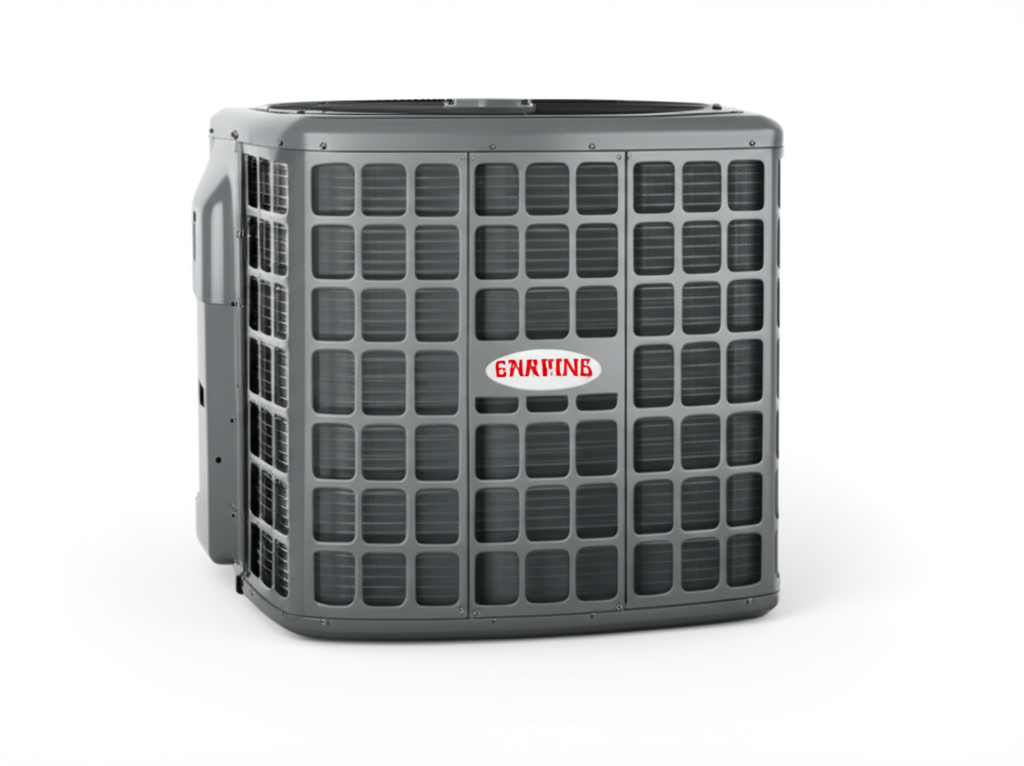
“Heating and air” typically refers to HVAC: the interconnected systems that heat, cool, move, and filter the air inside a building. Core components include a heat source (gas furnace, electric resistance heat, or heat pump), a cooling source (usually a heat pump or air conditioner), a blower and ductwork to distribute air, thermostats and controls, and filtration/ventilation to keep air clean and fresh.
The field has evolved quickly. Mechanical air conditioning was first demonstrated in 1902 by Willis Carrier; residential central AC spread across the U.S. after the 1950s. Forced-air gas furnaces moved from older 70–80% AFUE efficiencies toward 90–98% AFUE condensing models. Heat pumps—once limited in cold climates—now use variable-speed compressors and better refrigerants to deliver comfortable heating below freezing. Air conditioning is common in about 89% of U.S. homes, and most systems last 12–20 years depending on maintenance and climate loads.
It matters more than ever because energy prices and comfort expectations have climbed, and regulations are changing. Efficiency ratings were updated to SEER2/HSPF2 standards in 2023 to better reflect real-world conditions. Refrigerant transitions are underway as R‑410A (global warming potential ~2,088) gets phased down in favor of lower-GWP options like R‑32 and R‑454B. At the same time, electrification incentives and carbon goals are accelerating heat pump adoption. A properly sized and installed system can cut cooling energy use by 20–40% compared to a 20-year-old unit; likewise, moving from an 80% AFUE furnace to 95% can reduce gas consumption by roughly 16% for the same heat output. It’s not just equipment—the building shell (insulation, windows, air sealing) and duct design are equally important. A system that’s “right-sized,” with ducts that deliver the correct airflow and static pressure, will feel better, cost less to run, and last longer.
KEY CONCEPTS & FUNDAMENTALS
Load Calculation (Sizing)
Heating and cooling capacity should come from a room-by-room Manual J calculation, not square-foot rules. Real loads vary with insulation, window area, orientation, and air leakage. In many climates, a well-sealed, insulated home might need only 1 ton of cooling per 800–1,200 sq ft, while a leaky, sun-exposed home may require closer to 1 ton per 500–700 sq ft. Oversizing leads to short cycling, poor humidity control, and noisy operation; undersizing can’t keep up in extremes.
Efficiency Ratings (AFUE, SEER2, HSPF2)
Furnace efficiency is AFUE (Annual Fuel Utilization Efficiency). An 80% AFUE furnace sends about 20% of heat up the flue; 95%+ condensing models capture more heat from exhaust. Cooling is rated with SEER2 (seasonal efficiency) and EER (steady-state). Heating performance for heat pumps uses HSPF2. As a rough guide, upgrading from SEER 10 to SEER 16 can cut cooling energy around 37% under similar conditions because energy use is inversely proportional to SEER. Real savings depend on climate, ductwork, and runtime.
Airflow & Ductwork
Comfort depends on airflow. Most systems target roughly 350–450 CFM per ton of cooling. Ducts must be sized to keep total external static pressure within manufacturer limits, often around 0.3–0.5 in. w.c. Restrictive filters, undersized returns, and long, kinked flex ducts choke airflow, hurting efficiency and coil performance. Typical existing homes leak 10–30% of conditioned air through ducts; sealing can reclaim significant capacity and comfort.
Related: heating and air kit
Humidity & Ventilation
Cooling isn’t just about temperature—latent load matters. In humid climates, proper airflow and coil selection enable dehumidification. Aim for indoor relative humidity between 40–55%. Filtration is rated by MERV; many systems perform well with MERV 8–11. Jumping to MERV 13 may be possible with verified static pressure and adequate return capacity. Mechanical ventilation (balanced, exhaust-only, or ERV/HRV) reduces pollutants and helps maintain indoor air quality.
Controls & Zoning
Smart thermostats and zoning can improve comfort, but only when matched to equipment and ducts. Two-stage or variable-speed systems benefit from longer, lower-capacity cycles. Zoning needs bypass-less designs and careful damper sizing to avoid high static pressure. Simple setpoints and schedules often save more than complicated tweaks; for many households, 68–70°F heating and 76–78°F cooling are reasonable starting points.
Heat Pump Operation
Heat pumps move heat rather than generating it directly. In cold weather, capacity drops and defrost cycles occur; auxiliary heat may activate near the balance point. Modern cold-climate models maintain meaningful output down to 5–15°F, and some below 0°F. Understand your unit’s low-temperature capacity and whether strip heat or a furnace handles extremes.
PRACTICAL GUIDANCE
Assess Your Baseline
Start by mapping the current system: model numbers, age, efficiency ratings, duct layout, filter size, and thermostat type. Note problem rooms, noise, and uneven temperatures. Check filter condition and size; a clogged filter can elevate energy use by 5–15%. Measure supply/return temperatures under normal operation to spot issues (e.g., furnace temperature rise should align with the nameplate range, often ~35–70°F).
Related: heating and air tool
Choose the Right System Type
Common options include split systems (furnace + AC or heat pump), ductless mini-splits for additions or homes without ducts, and packaged units in some regions. For mild climates, a heat pump with electric backup works well. In cold climates, consider cold-climate heat pumps or dual-fuel (heat pump + gas furnace). Ductless systems shine for zoned control; single-zone kits generally cover 9,000–24,000 BTU, with multi-zone systems for larger areas.
Size and Design with Intent
Request a Manual J load calc plus Manual S (equipment selection) and Manual D (duct design). Confirm target airflow: ~400 CFM per ton is common, but manufacturers specify ranges. Ensure adequate return air; many homes need additional return grilles to reduce static pressure. If rooms swing hot/cold, consider balancing dampers or duct resizing rather than just increasing system size.
Budget and Rebates
Typical installed costs vary widely by region and scope: a basic 80% furnace might run $2,000–$4,000; high-efficiency condensing furnaces $4,000–$7,000; central AC replacement $3,500–$7,500; heat pumps $5,000–$12,000 depending on capacity and features; ductless systems around $3,000–$8,000 for single-zone and more for multi-zone. Many utilities and programs offer incentives—commonly $300–$2,000 for high-efficiency units—and some heat pumps qualify for federal tax credits up to $2,000. Factor permits and electrical work where needed.
Install Quality Matters
A high-SEER system with poor ductwork won’t perform. Ask about measured static pressure, total system airflow, and refrigerant charge verification (weigh-in or superheat/subcooling per manufacturer). Request photos of sealed ducts with mastic, properly supported flex, and insulated linesets. A NATE-certified technician and a permit/inspection process are positive indicators.
Maintenance That Pays Off
Replace filters every 1–3 months based on dust and pets; confirm the filter fits and seals. Clean outdoor coils annually; keep 18–24 inches of clearance. Inspect condensate drains and pans for clogs and algae. Schedule tune-ups before peak seasons to catch failing capacitors, dirty blower wheels, and improper charge. For gas furnaces, ensure annual safety checks (heat exchanger inspection, combustion analysis if available).
Related: heating and air equipment
Smart Operation
Use “Auto” fan mode for most systems; continuous “On” can raise humidity in humid climates by re-evaporating moisture off the coil. In winter, try 68–70°F during occupied hours and 62–66°F setbacks at night if comfortable; in summer, 76–78°F with dehumidification. Keep blinds/shades optimized—solar gain can add hundreds of BTU/hr per window. Seal major air leaks (attic penetrations, rim joists) and upgrade attic insulation (often R‑38 to R‑60) for sustained savings.
EXPERT INSIGHTS
Oversizing is the number one comfort killer. A 4-ton system on a 2.5-ton load will short cycle, struggle with humidity, and likely be noisier. If you’ve always felt “clammy” in summer, consider stepping down capacity with a two-stage or variable-speed unit that extends runtimes at lower output.
Static pressure hides in plain sight. Many homes run at 0.8–1.0 in. w.c. when the equipment is designed around ~0.5. That extra resistance wastes energy and risks premature motor failure. The fix is usually adding return capacity, straightening flex runs, and choosing filters that balance filtration and airflow.
Misconception: higher MERV is always better. Reality: a high-MERV filter in a tight return can drop airflow enough to reduce dehumidification and efficiency. Measure, don’t guess. Upgrading to MERV 11 with added return grille area often beats MERV 13 crammed into a single undersized slot.
Pro tip: understand your heat pump’s balance point—the outdoor temperature where it hands off to auxiliary heat. Adjusting lockout settings and staging conservatively can save a noticeable chunk of winter kWh. Another quiet win: verify refrigerant charge by method, not eyeballing frost lines. Undercharge and overcharge both degrade performance in ways you’ll feel as longer run times or uneven rooms.
THINGS TO CONSIDER
- Total project cost: Equipment + labor + ductwork modifications + electrical/gas work. Expect $3,500–$12,000+ depending on scope.
- Timeframe: Replacement typically 1–2 days; full duct redesign or multi-zone installs can take 3–5 days. Permits may add 1–2 weeks.
- Efficiency vs. budget: SEER2/HSPF2 and AFUE raise upfront cost but reduce bills. Consider payback at your utility rate (e.g., $0.12–$0.30/kWh, $0.80–$2.00/therm).
- Electrical capacity: Heat pumps or electric backup may need 30–60A circuits; panel upgrades add cost and time.
- Gas and venting: Condensing furnaces require PVC venting and proper condensate routing; non-condensing rely on flue sizing and draft.
- Noise: Outdoor units vary from ~55–75 dB; seek lower dB and install away from bedrooms. Inside, duct design controls whoosh and rumble.
- Duct condition: Leaks of 10–30% are common. Sealing and proper sizing often deliver bigger comfort gains than a higher SEER alone.
- Climate strategy: Cold climates benefit from dual-fuel or cold-climate heat pumps; hot-humid regions need strong latent control.
- Refrigerant future-proofing: New models use R‑32 or R‑454B; ask about service availability and tools in your area.
- Indoor air quality: Target 40–55% RH, use MERV 8–11 filters, and add balanced ventilation or ERV/HRV if sealing the envelope.
- Warranty and service: Confirm parts and labor coverage (often 10-year parts with registration; labor varies 1–5 years). Availability of local service matters.
- Placement: Outdoor unit clearance of 18–24 inches; avoid dryer vents and roof runoff. Indoors, ensure accessible filter and coil for maintenance.
Frequently Asked Questions
How often should my heating and air system be serviced?
Twice a year is a solid schedule: spring for cooling, fall for heating. At minimum, filters every 1–3 months, outdoor coil cleaning annually, and a safety/operational check once a year. Regular tune-ups catch airflow restrictions, failing capacitors, improper charge, and combustion issues before they become breakdowns.
What thermostat settings save energy without sacrificing comfort?
For many households, 68–70°F in winter and 76–78°F in summer work well. Use setbacks of 4–6°F when away or sleeping, and avoid extreme swings that force long recovery cycles. In humid climates, prioritize dehumidification and keep fan mode on “Auto” to prevent re-evaporation.
Can a heat pump handle cold winters?
Modern cold-climate heat pumps can provide meaningful heat down to 5–15°F, and some below 0°F. Capacity falls with temperature, so understand your unit’s low-temperature performance and consider dual-fuel or electric auxiliary heat for deep cold. Proper sizing and airflow are essential for comfort.
What’s the difference between SEER and SEER2?
SEER2 uses updated test procedures that better reflect real-world ductwork and static pressure, resulting in slightly lower ratings compared to the old SEER for the same equipment. It’s a more realistic benchmark, so compare SEER2 numbers across models rather than mixing SEER with SEER2.
Why are some rooms hotter or colder than others?
Common causes include duct imbalance, undersized returns, long or kinked flex runs, and leakage. A balancing and duct assessment can redistribute airflow, and adding return paths often helps. Oversized systems also short cycle, failing to mix air long enough to even out temperatures.
Should I close vents to unused rooms?
Usually no. Closing vents increases static pressure, which can reduce system airflow and efficiency, and may even cause coil icing or furnace problems. Better options include balancing dampers, adding returns, or using zoning designed for the equipment and ducts.
How long do heating and air systems typically last?
Most furnaces and central AC/heat pumps last 12–20 years with good maintenance. Coastal, sandy, or heavy-use environments skew shorter. Preventive care—filters, coil cleaning, proper charge, and combustion checks—extends service life.
Is upgrading ducts worth it?
Yes, if static pressure or leakage is high. Improving returns, sealing with mastic, and resizing problem runs can cut energy use, reduce noise, and fix comfort issues. In many homes, duct upgrades deliver more noticeable benefits than adding one more point of SEER.
CONCLUSION
Comfort, efficiency, and air quality depend on more than the box outside. Correct sizing, clean airflow, tight ducts, and smart controls transform how a home feels and what it costs to run. If you’re planning changes, start with a load calculation and a candid duct assessment, then select equipment that fits your climate and goals. Maintain it twice a year, keep filters fresh, and monitor humidity. Small, steady improvements stack up—less noise, fewer hot/cold spots, and lower bills—so you enjoy the best of heating and air every season.